
Introduction
Test cricket is extensively appeared as the purest and most traditional shape of the game. Unlike constrained-overs codecs inclusive of ODIs and T20s, Test fits are played over 5 days, making an allowance for a extra exact and strategic warfare among bat and ball. One of the maximum crucial structural elements of a Test match is its scheduled breaks—particularly lunch, tea, and liquids durations. Among those, lunch time holds a special location as it divides the primary consultation from the rest of the day and frequently plays a essential role in shaping the match’s momentum.
In this specified manual, we are able to discover the entirety you want to recognize approximately Test cricket lunch time, such as its period, guidelines, historic significance, impact on gameplay, and how teams strategically method it.
What is Test Cricket Lunch Time?
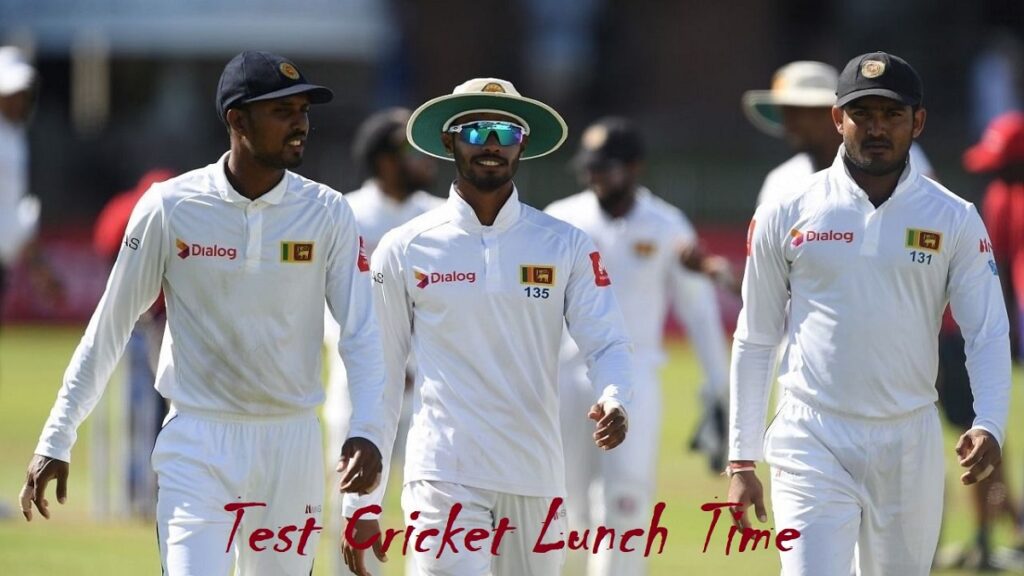
Lunch time in Test cricket refers back to the first main scheduled wreck all through an afternoon’s play. It happens after the of entirety of the primary consultation, which usually lasts for round hours from the start of play. This c program languageperiod allows players to rest, recover, strategize, and refocus for the following session.
Unlike shorter codecs of the sport, Test cricket is physically and mentally traumatic. Therefore, established breaks like lunch are crucial to preserve performance stages for the duration of the day.
Duration of Lunch Break in Test Cricket
The Test Cricket Lunch Time is standardized below the policies set with the aid of the International Cricket Council (ICC). The duration is usually constant but can vary slightly relying on gambling conditions.
Standard Lunch Break Duration
| Aspect | Details |
|---|---|
| Typical Duration | 40 minutes |
| Governing Authority | ICC Playing Conditions |
| Session Before Lunch | First Session (2 hours) |
| Session After Lunch | Second Session |
| Flexibility | Adjusted in case of delays |
The 40-minute smash offers players enough time to relaxation, eat, and talk procedures with out disrupting the drift of the game.
Daily Schedule of a Test Match
To understand lunch time better, it’s crucial to have a look at the whole daily time table of a Test healthy.
Standard Day Structure
| Session | Time (Example) | Duration |
|---|---|---|
| First Session | 10:00–12:00 | 2 hours |
| Lunch Break | 12:00–12:40 | 40 mins |
| Second Session | 12:40–14:40 | 2 hours |
| Tea Break | 14:40–15:00 | 20 mins |
| Third Session | 15:00–17:00 | 2 hours |
Note: Timings may range relying on country, climate, and gambling conditions.
History of Lunch Break in Test Cricket
The concept of lunch breaks in cricket dates again to the early days of the sport in England. Cricket became historically performed as a leisurely sport, and breaks had been delivered to deal with meals and social interplay.
In early Test matches, there was no strict timing, and breaks may be longer or shorter depending at the state of affairs. Over time, as cricket became extra expert, standardized timings were added to make sure equity and consistency.
Importance of Lunch Time in Test Cricket
Physical Recovery
Test cricket is extremely annoying. Players spend hours on the sphere, frequently below harsh climate situations. Lunch affords an opportunity to hydrate, devour, and get better bodily.
Mental Reset
Cricket is as much a intellectual game as it’s miles physical. A batsman who has struggled in the first consultation can use the lunch ruin to reset mentally. Similarly, bowlers can reconsider their techniques.
Tactical Planning
Teams use lunch breaks to reassess their game plans. Coaches and captains discuss strategies, examine opposition weaknesses, and make adjustments.
Strategic Role of Lunch Time
For Batting Teams
- Consolidate after dropping early wickets
- Plan partnerships for the following session
- Analyze bowlers’ patterns
For Bowling Teams
- Discuss area placements
- Identify weaknesses in batsmen
- Plan wicket-taking techniques
Impact of Lunch Time on Match Momentum
Lunch breaks frequently act as turning points in a match. A group dominating the primary session may additionally lose momentum after lunch, while the trailing group may also come lower back more potent.
Example Scenarios
| Situation Before Lunch | Possible Outcome After Lunch |
|---|---|
| Batting collapse | Recovery partnership |
| Strong batting start | Sudden wickets fall |
| Bowler dominance | Batsman counterattack |
Rules Governing Lunch Time
The ICC has laid down unique guidelines concerning lunch breaks:
Key Rules
- Lunch is taken after the first session of play
- Duration is commonly forty minutes
- Timing can be adjusted due to weather interruptions
- If a wicket falls close to lunch, play may additionally hold for a few greater overs
Special Situations Affecting Lunch Time
Weather Interruptions
Rain or bad mild can put off classes, which can also lead to adjustments in lunch timing.
Extended Sessions
If play begins late, the primary session may be extended or shortened, affecting lunch timing.
Wickets Near Lunch
If a wicket falls simply earlier than lunch, umpires may permit play to continue briefly to keep equity.
Lunch Time vs Tea Break
While both are scheduled breaks, there are variations among lunch and tea periods.
| Feature | Lunch Break | Tea Break |
|---|---|---|
| Duration | 40 minutes | 20 minutes |
| Timing | Midday | Afternoon |
| Importance | High | Moderate |
| Recovery Level | Major | Minor |
Nutrition During Lunch Break
Players follow strict nutrition plans throughout lunch to hold strength ranges.
Common Foods Consumed
- High-protein meals
- Carbohydrates (rice, pasta)
- Fruits and hydration liquids
- Light snacks for quick power
Psychological Importance of Lunch Break
Lunch time also plays a mental role in cricket. Players use this wreck to:
- Regain confidence
- Overcome pressure
- Visualize their overall performance
A nicely-applied lunch break can extensively enhance overall performance within the next session.
Famous Moments Around Lunch Break
Many iconic Test in shape moments have revolved round sessions before or after lunch. Teams have either collapsed dramatically or staged first-rate comebacks following this ruin.
Differences in Lunch Timing Across Countries
Although the usual length stays the equal, specific timings can range relying on location.
| Country | Typical Start Time | Lunch Time |
|---|---|---|
| England | 11:00 AM | 1:00 PM |
| Australia | 10:30 AM | 12:30 PM |
| India | 9:30–10:00 AM | 12:00 PM |
| South Africa | 10:00 AM | 12:00 PM |
Role of Umpires in Lunch Break
Umpires are accountable for:
- Ensuring periods are completed pretty
- Deciding precise timing of lunch
- Adjusting schedules in case of interruptions
Modern Changes and Broadcasting Impact
With the rise of television broadcasting, lunch breaks have also become industrial opportunities. Broadcasters use this time for:
- Match analysis
- Advertisements
- Expert discussions
Why Lunch Time Matters for Fans
For spectators, lunch time is a hazard to:
- Take a ruin
- Analyze the in shape
- Engage in discussions
It also builds anticipation for the subsequent consultation.
Tips for Understanding Match Flow Around Lunch
If you’re a cricket fan, right here’s how you could examine the game round lunch:
- Observe pitch situations
- Study player conduct before lunch
- Track momentum shifts
Common Misconceptions About Lunch Time
Myth 1: Lunch Time is Fixed
Reality: It can alternate based on suit situations.
Myth 2: It Has No Impact on the Game
Reality: It often influences momentum and strategy.
Future of Lunch Break in Test Cricket
While shorter formats dominate modern-day cricket, Test cricket keeps to maintain its traditions, consisting of established breaks. However, moderate adjustments may arise to healthy worldwide audiences and broadcasting needs.
Conclusion
Test cricket lunch time is a good deal more than only a destroy for meals. It is a crucial part of the game that impacts approach, overall performance, and momentum. From bodily recuperation to tactical planning, lunch durations play a significant position in shaping the final results of a fit.
Understanding lunch time in Test cricket lets in fans to realize the deeper nuances of the sport. Whether it’s a dramatic crumble before lunch or a comeback after it, this c language remains one of the most important aspects of the longest format of cricket.